
The Pros and Cons of Data Centers
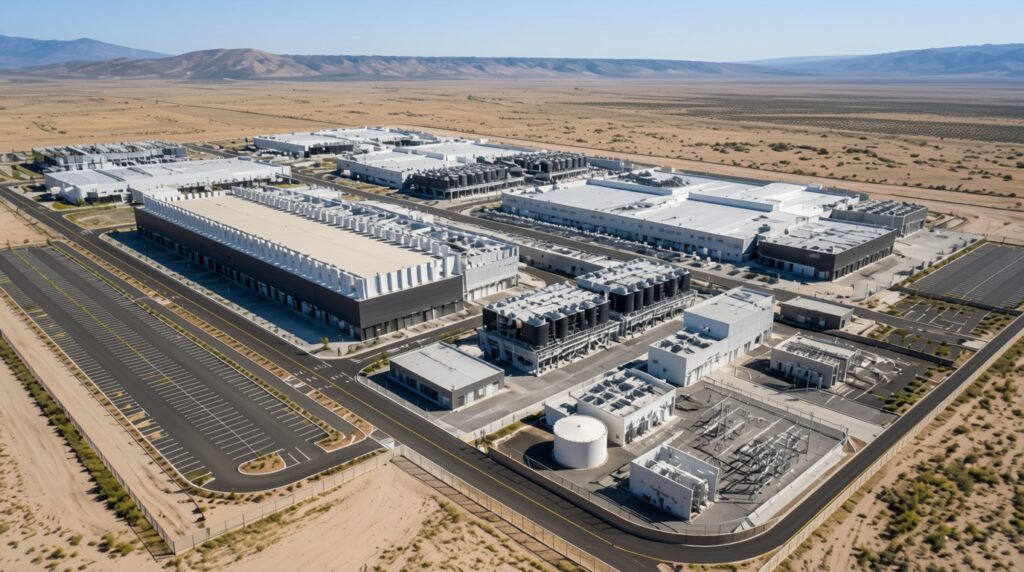
Building new data centers, particularly those designed for artificial intelligence (AI), presents enormous economic opportunities but also significant challenges involving electricity, water, land use, environmental impacts, and local infrastructure. The benefits and drawbacks depend heavily on where the data center is built, its size, the cooling technology employed, and how electricity and water are supplied.…
Read MoreOne Well Doesn’t Tell the Whole Groundwater Story
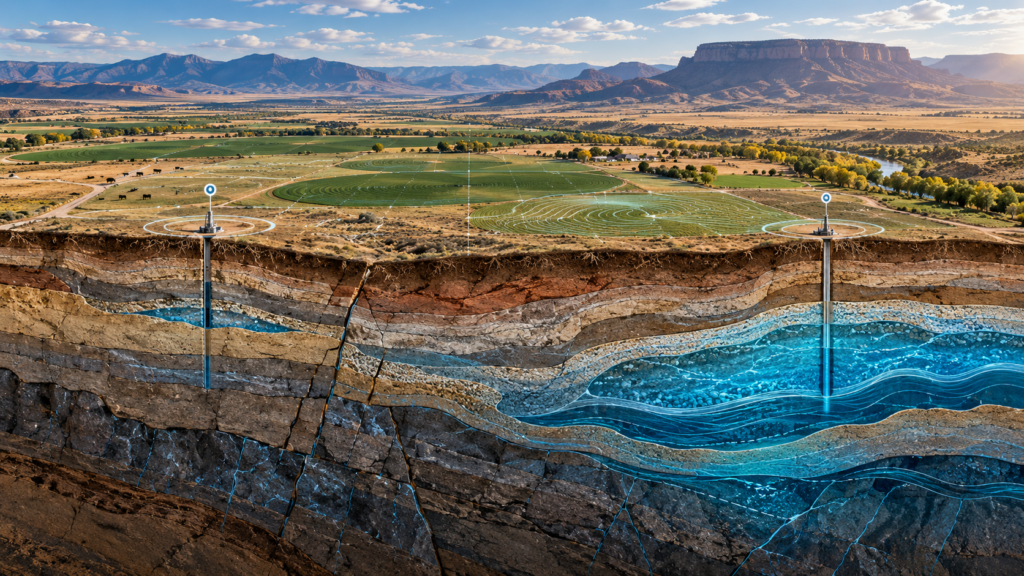
If you own or manage a large agricultural property, chances are you already have groundwater information. You may have one or more existing wells. You may know how deep they are, what they historically produced and how their performance has changed over time. You may have drilling logs from your own property or records from…
Read MorePhase II Groundwater Exploration: Creating a “Virtual Well” Before You Drill
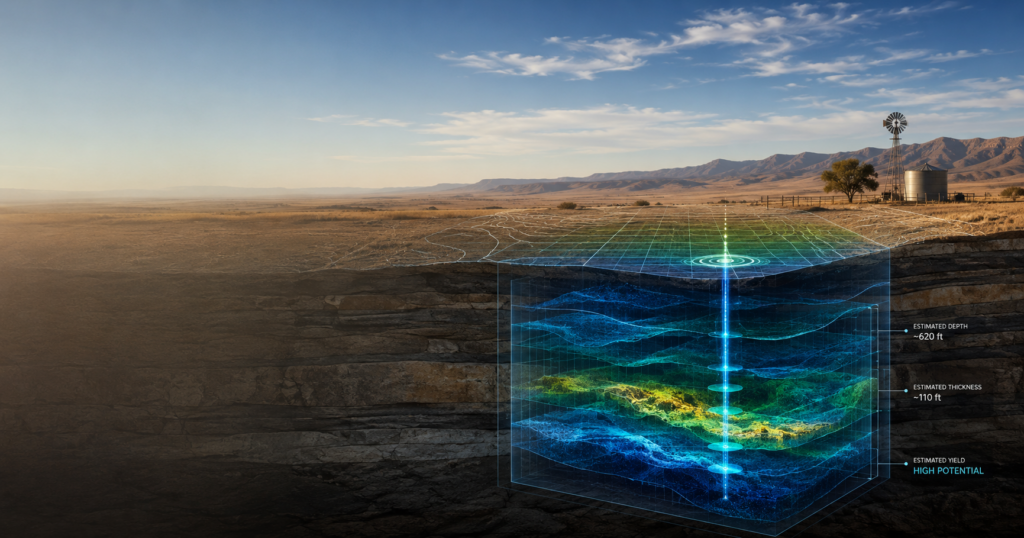
Drilling a water well can represent a substantial investment. Yet conventional well development often begins with a fundamental uncertainty: What will we actually find when we drill? How deep will the water be? How thick is the water-bearing formation? What kind of production might the well provide? And is this really the best location on…
Read MoreFinding Groundwater Before Drilling: The Science Behind AquaterreX Phase I Analysis
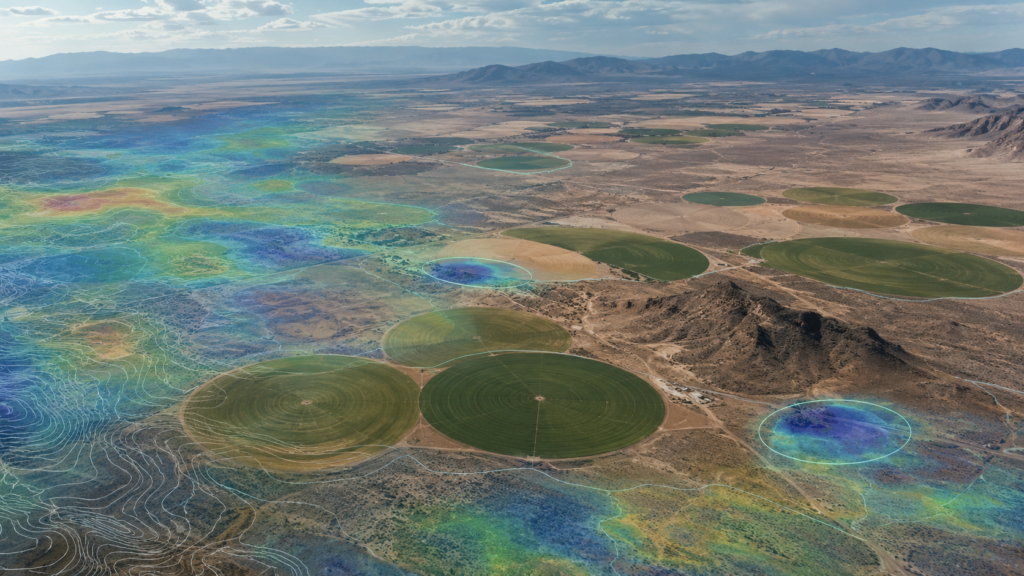
How multiple layers of geoscientific data can reduce the uncertainty and cost of groundwater exploration Drilling a water well has always involved uncertainty. Even in regions known to contain significant groundwater resources, conditions underground can change considerably over relatively short distances. One well may produce substantial quantities of water while another nearby well may produce…
Read MoreGiant Springs: Montana’s Hidden Ocean Beneath Our Feet
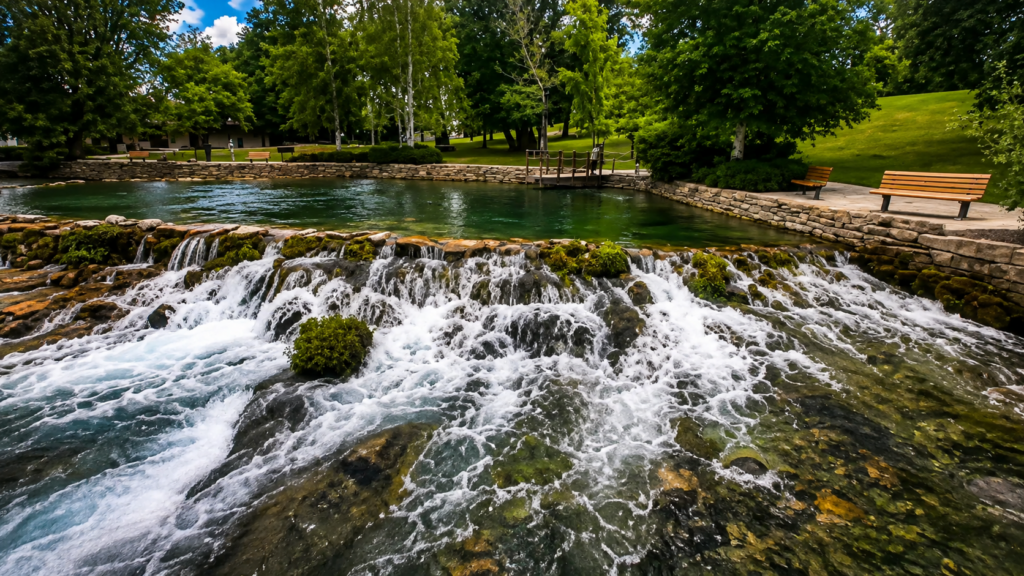
What One of America’s Largest Springs Reveals About Earth’s Vast Groundwater Resources Every day, 156 million gallons of crystal-clear Giant Springs groundwater emerge naturally in Great Falls, Montana. Not from a river. Not from a reservoir. Not from a dam. It rises from deep beneath the Earth’s surface—twenty-four hours a day, seven days a week,…
Read MoreCreating a Virtual Water Well Before Drilling Can Save Tens of Thousands of Dollars
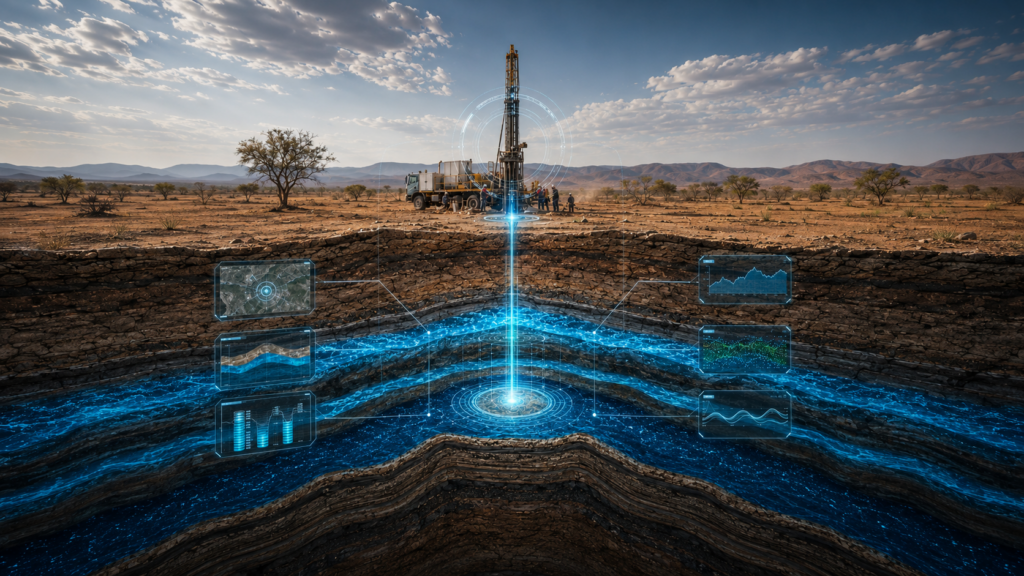
Advanced Technology Can Pinpoint Water Well Locations and Yields For thousands of years drilling water wells has been like gambling your money in a casino. Will you get lucky and find water? Or will you lose your investment and get a “dry hole” or low flow well? Unfortunately, this scenario is all too common even…
Read More“I’ve Drilled 12 Dry Holes, and I’m Done With It.”
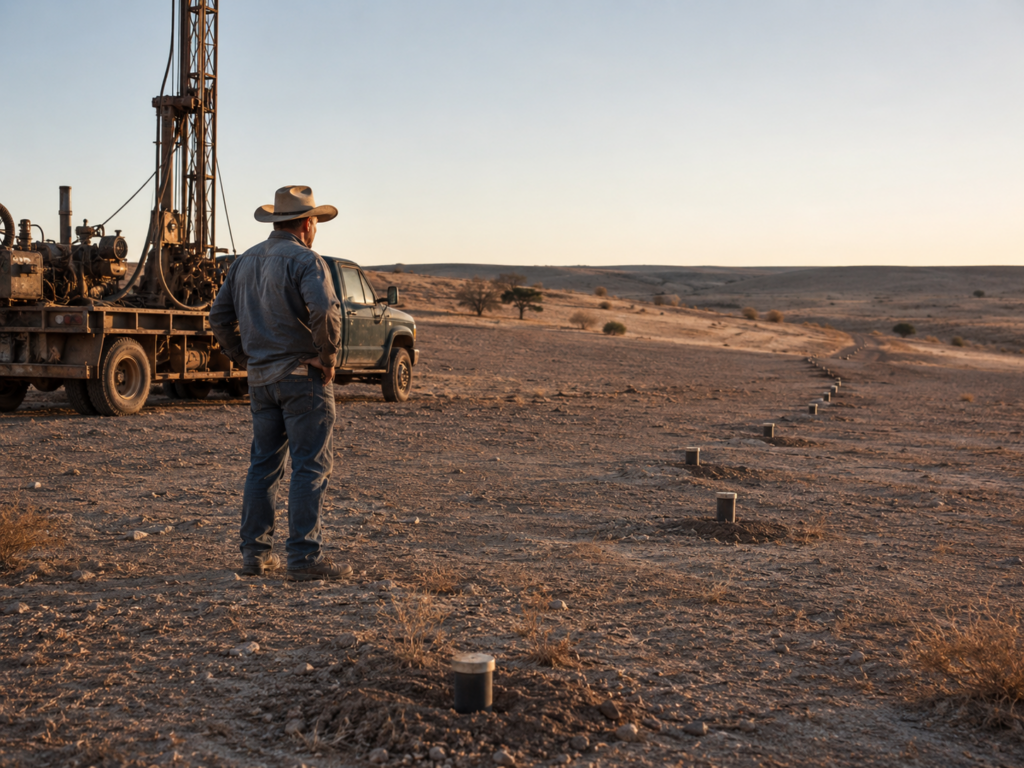
The real cost of drilling without enough certainty A Texas landowner recently said something to one of our AquaterreX representatives that stopped us in our tracks: “I’ve drilled 12 dry holes, and I’m done with it.” He had already invested in one drilling attempt after another, only to come up dry each time. But the…
Read MoreA ‘Super El Niño’ Is Coming—But Will It Actually Solve the Water Crisis?
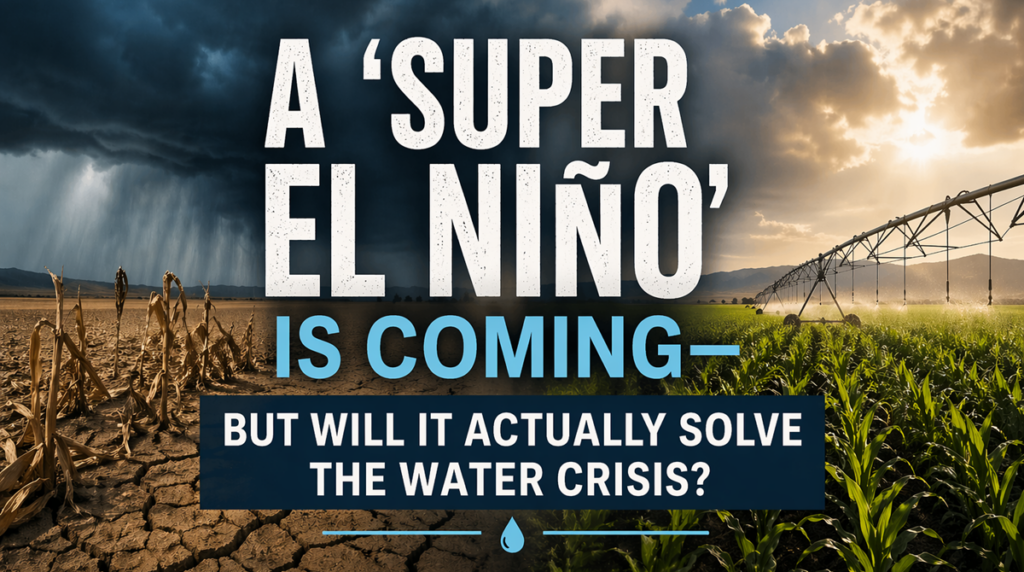
As news spreads about a potential “Super El Niño”—a rare and powerful weather event that has only been recorded a handful of times—there’s growing optimism that long-awaited rains could finally bring relief to drought-stricken regions. But history—and real-world results—show a different story. While El Niño can dramatically shift weather patterns, it doesn’t guarantee reliable water…
Read MoreGroundwater as a Long-Term Asset in Agriculture
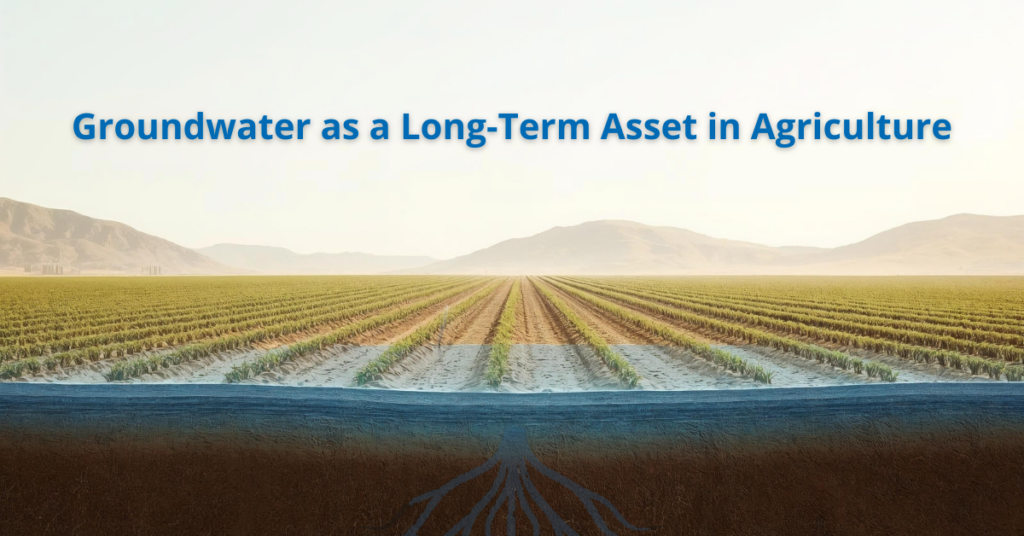
By James D’Arezzo, President, AquaterreX Groundwater plays a critical role in agricultural productivity, land value, and long-term resilience, particularly in water-constrained regions. This article examines groundwater as a form of natural capital and explores how asset-based management strategies can improve farm economics, drought resilience, and long-term sustainability. Framing groundwater as a long-term asset in agriculture,…
Read MoreWater Cost vs. Water Value in Agriculture: Why the Distinction Matters
By James D’Arezzo, President, AquaterreX Every farmer and rancher already understands this at a gut level: not all water is created equal. Two fields may use the same amount of irrigation water, yet one consistently works economically year after year while the other barely breaks even. The difference isn’t just what it costs to pump…
Read More